
Welcome to the Molluscs subsite on Invertebrate Paleontology!
Please enter a genera name to retrieve more information.
Helicotoma
Classification
Phylum:
Mollusca
Class:
Gastropoda
Subclass:
Prosobranchia
Order:
Archaeogastropoda
Suborder:
Macluritina
Superfamily:
Euomphalacea
Family:
Helicotomidae
Formal Genus Name and Reference:
Helicotoma SALTER, 1859
Type Species:
H. planulata
Images
(Click to enlarge in a new window)
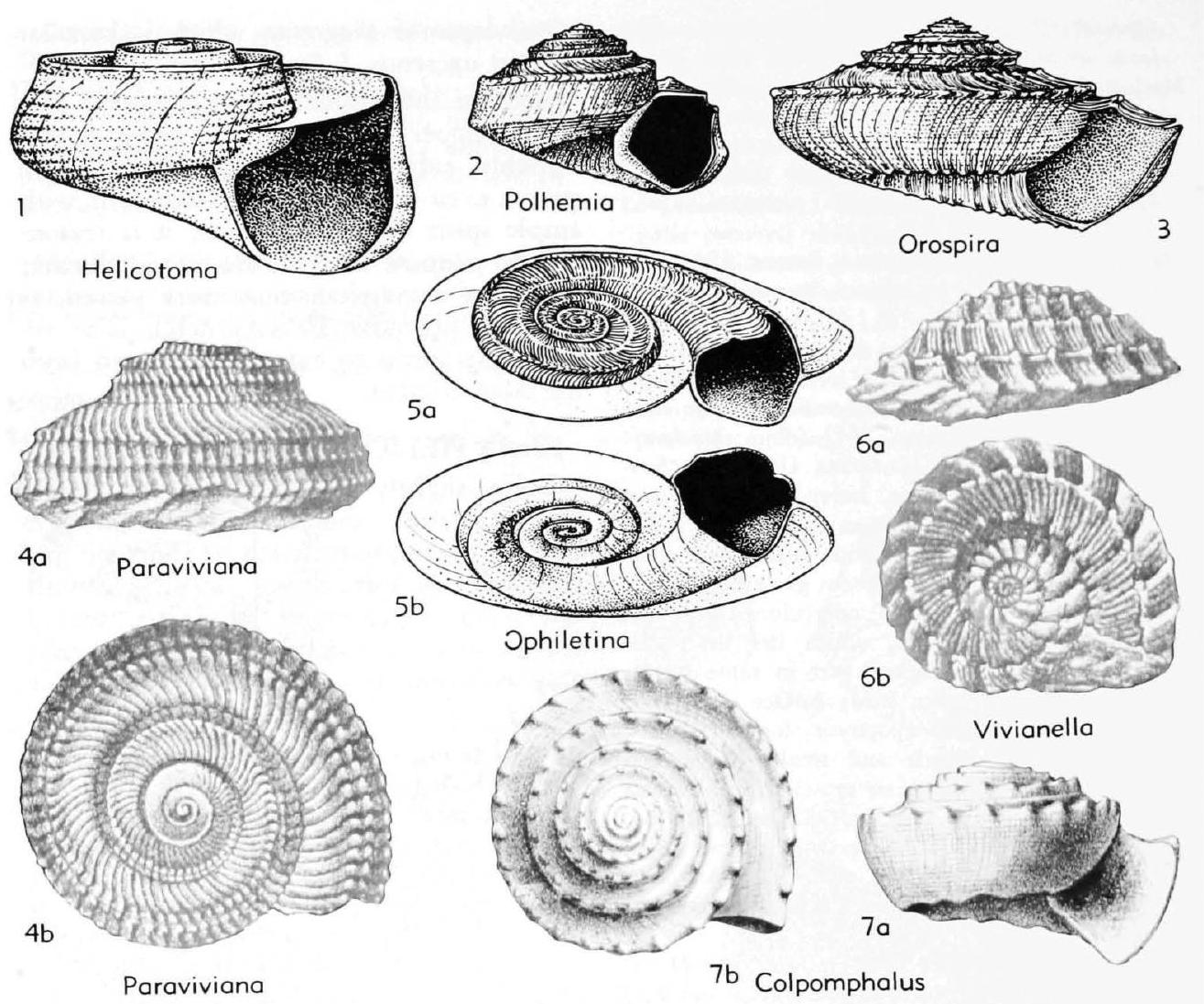 Fig. 106, 1. *H. planulata, M.Ord., Can.(Que.); X2.
Synonyms
Palaeomphalus
Geographic Distribution
N.Am.-Eu.-NE.Asia-Austral.
Age Range
Beginning Stage in Treatise Usage:
L.Ord.
Beginning International Stage:
Tremadocian
Fraction Up In Beginning Stage:
0
Beginning Date:
486.85
Ending Stage in Treatise Usage:
M.Ord.
Ending International Stage:
Darriwilian
Fraction Up In Ending Stage:
100
Ending Date:
458.18
Description
Spire low, gradate, with nearly horizontal ramp bordered at upper-outer angulation by a carina carrying a short slit that generates a convex selenizone; growth lines on sides strongly opisthocline above and prosocyrt. Operculum unknown.
References
Salter, J. W., 1859, Figures and descriptions of Canadian organic remains: Geol. Survey Canada, decade 1, p. 1-46, pl. 1-10 (Montreal).
Museum or Author Information
Classification
Phylum:
Mollusca
Class:
Gastropoda
Subclass:
Prosobranchia
Order:
Archaeogastropoda
Suborder:
Macluritina
Superfamily:
Euomphalacea
Family:
Helicotomidae
Formal Genus Name and Reference:
Helicotoma SALTER, 1859
Type Species:
H. planulata
Images
(Click to enlarge in a new window)
Fig. 106, 1. *H. planulata, M.Ord., Can.(Que.); X2.
Synonyms
Palaeomphalus
Geographic Distribution
N.Am.-Eu.-NE.Asia-Austral.
Age Range
Beginning Stage in Treatise Usage:
L.Ord.
Beginning International Stage:
Tremadocian
Fraction Up In Beginning Stage:
0
Beginning Date:
486.85
Ending Stage in Treatise Usage:
M.Ord.
Ending International Stage:
Darriwilian
Fraction Up In Ending Stage:
100
Ending Date:
458.18
Description
Spire low, gradate, with nearly horizontal ramp bordered at upper-outer angulation by a carina carrying a short slit that generates a convex selenizone; growth lines on sides strongly opisthocline above and prosocyrt. Operculum unknown.
References
Salter, J. W., 1859, Figures and descriptions of Canadian organic remains: Geol. Survey Canada, decade 1, p. 1-46, pl. 1-10 (Montreal).