
Welcome to the Molluscs subsite on Invertebrate Paleontology!
Please enter a genera name to retrieve more information.
Pleurotomaria
Classification
Phylum:
Mollusca
Class:
Gastropoda
Subclass:
Prosobranchia
Order:
Archaeogastropoda
Suborder:
Pleurotomariina
Superfamily:
Pleurotomariacea
Family:
Pleurotomariidae
Formal Genus Name and Reference:
Pleurotomaria DEFRANCE, 1826
Type Species:
Trochus anglicus J.Sowerby, 1818, SD S.P.WOODWARD, 1851
Images
(Click to enlarge in a new window)
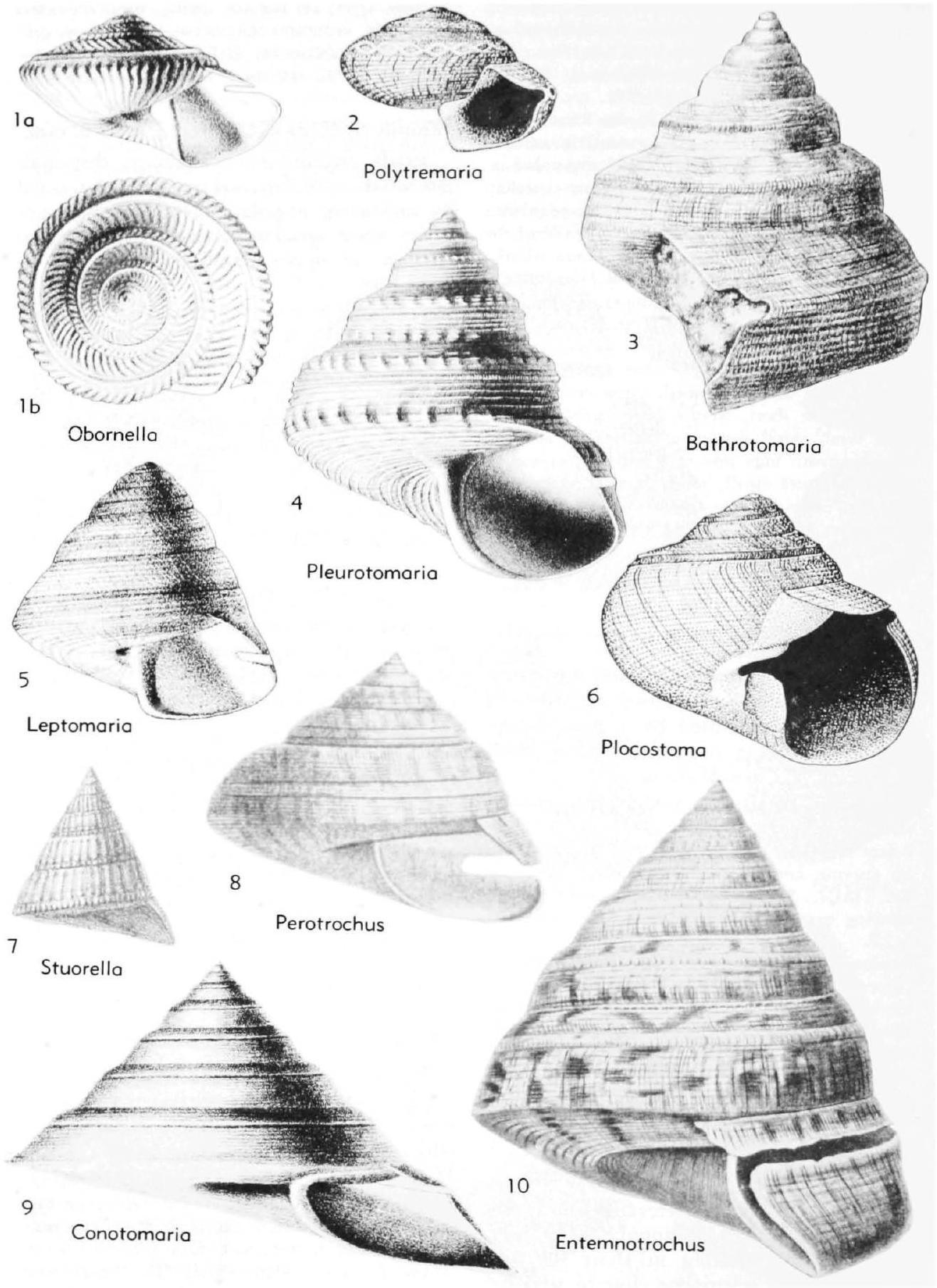 Fig. 131,4. *P. anglica (Sowerby), L.Lias., Fr., X0.7 (111)
Synonyms
Pleurotomarium
Geographic Distribution
cosmop.
Age Range
Beginning Stage in Treatise Usage:
L.Jur.
Beginning International Stage:
Hettangian
Fraction Up In Beginning Stage:
0
Beginning Date:
201.36
Ending Stage in Treatise Usage:
L.Cret.(Apt.)
Ending International Stage:
Aptian
Fraction Up In Ending Stage:
100
Ending Date:
113.2
Description
Trochiform, moderately high to depressed, anomphalous to broadly phaneromphalous, gradate, with outer whorl face flattened, at least in earlier growth stages; selenizone moderately broad, near midwhorl, ornament sinuous spiral cords with tubercles at shoulder and in some species at margin of base.
References
Museum or Author Information
Classification
Phylum:
Mollusca
Class:
Gastropoda
Subclass:
Prosobranchia
Order:
Archaeogastropoda
Suborder:
Pleurotomariina
Superfamily:
Pleurotomariacea
Family:
Pleurotomariidae
Formal Genus Name and Reference:
Pleurotomaria DEFRANCE, 1826
Type Species:
Trochus anglicus J.Sowerby, 1818, SD S.P.WOODWARD, 1851
Images
(Click to enlarge in a new window)
Fig. 131,4. *P. anglica (Sowerby), L.Lias., Fr., X0.7 (111)
Synonyms
Pleurotomarium
Geographic Distribution
cosmop.
Age Range
Beginning Stage in Treatise Usage:
L.Jur.
Beginning International Stage:
Hettangian
Fraction Up In Beginning Stage:
0
Beginning Date:
201.36
Ending Stage in Treatise Usage:
L.Cret.(Apt.)
Ending International Stage:
Aptian
Fraction Up In Ending Stage:
100
Ending Date:
113.2
Description
Trochiform, moderately high to depressed, anomphalous to broadly phaneromphalous, gradate, with outer whorl face flattened, at least in earlier growth stages; selenizone moderately broad, near midwhorl, ornament sinuous spiral cords with tubercles at shoulder and in some species at margin of base.